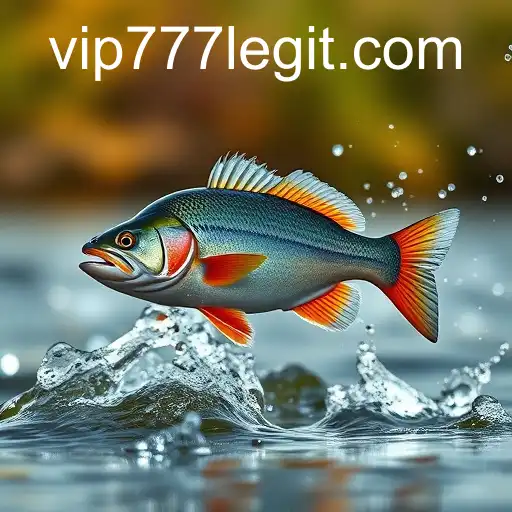
Exploring the World of Fishing: A Deep Dive into the Popular Sport and Recreation
Fishing is an ancient practice that has stood the test of time, evolving from a necessity to one of the world's most beloved pastimes. It encompasses a range of techniques, tools, and environments that cater to diverse enthusiasts, from weekend hobbyists to seasoned professionals. In this guide, we delve into the fascinating world of fishing, exploring its various facets and the unique appeal it holds for millions.
The Evolution of Fishing
The history of fishing is as old as civilization itself, with ancient communities relying on fish as a primary food source. The evidence of fishing spans across millennia, with ancient Egypt depicting fishing on their walls and the fishing hook traces found in archaeological digs.
Over time, fishing evolved beyond basic sustenance, embedding itself into cultural practices and recreational pursuits. Today, fishing is divided into various types, including recreational fishing, commercial fishing, and artisanal fishing, each serving different purposes and communities.
Fishing Methods and Techniques
Fishing methods vary greatly, influenced by the type of water, the fish species targeted, and individual preferences. At its core, fishing remains a blend of skill, patience, and luck. Below are some of the most prevalent techniques:
Rod and Reel Fishing
This is perhaps the most widely recognized form of fishing, particularly in recreational contexts. Anglers employ rods and reels to cast bait or lures into the water, entrancing fish with artificial or live bait. Rod and reel fishing can take place in freshwater or saltwater, adapting to different environments.
Fly Fishing
Considered an art form by enthusiasts, fly fishing requires a special type of rod and a weighted line designed for presenting lightweight flies on the water’s surface. Typically practiced in freshwater, fly fishing is associated with rivers and streams, targeting fish such as trout and salmon.
Ice Fishing
Popular in colder climates, ice fishing involves angling through an opening in the ice on a frozen body of water. Ice fishers often use small, portable shelters called ice shanties to shield from harsh weather as they cast lines through holes drilled in the ice.
Spearfishing
Utilized both recreationally and commercially, spearfishing involves catching fish by thrusting or throwing a spear or using a specialized underwater gun. It is a practice steeped in history and requires significant skill and stealth.
The Ecological and Economic Significance of Fishing
Fishing plays a pivotal role in the global economy and ecosystem health. Despite its recreational allure, the industry faces challenges concerning sustainability. Overfishing, habitat destruction, and climate change have profound effects on fish populations and marine environments.
Conservation efforts are crucial in promoting a balance between fishing and ecological health. Organizations worldwide advocate for sustainable fishing practices, implementing regulations and protected areas to preserve marine biodiversity.
Economically, fishing contributes significantly to livelihoods, particularly in coastal communities and developing countries. The trade of fish and seafood supports millions, requiring collaboration between governments, NGOs, and the industry to ensure fair practices and resource management.
VIP777: The Digital Evolution in Fishing
In recent years, technology has made inroads into traditional fishing practices, revolutionizing how anglers approach the sport. VIP777 epitomizes this evolution, offering advanced tools and platforms that enhance the fishing experience.
VIP777 employs data analytics, satellite mapping, and mobile applications to provide fishers with real-time information on fish movements, weather conditions, and optimal fishing spots. These technological advancements not only increase the likelihood of a successful catch but also promote sustainable practices by identifying which areas should be avoided to prevent overfishing.
The convenience of digital platforms also allows for the creation of vibrant communities where enthusiasts can share tips, experiences, and catch statistics, fostering a sense of connection and camaraderie among anglers worldwide.
Engaging in Sustainable Fishing
Embracing sustainable fishing practices is critical to preserving fish populations and their habitats for future generations. Anglers and industry stakeholders are encouraged to follow guidelines that minimize ecological impact, such as:
- Catch and Release: Practicing catch and release allows fish populations to maintain their numbers. Anglers should handle fish with care and release them quickly to ensure their survival.
- Adhering to Regulations: Strictly following local fishing regulations regarding the size and number of fish allowed to be caught protects species from over-exploitation.
- Using Responsible Gear: Selecting gear that prevents bycatch, such as circle hooks or eco-friendly lures, reduces the unwanted capture of non-target species.
The Cultural and Recreational Joys of Fishing
Besides its economic and ecological importance, fishing provides immense cultural and recreational joy. Angling offers a calming escape from daily life, fostering patience, concentration, and appreciation for nature.
Fishing brings communities together, whether through local contests or family outings. The tales of the one that got away create legends that pass through generations, reinforcing fishing's status as a timeless and universal activity.
Whether standing on a riverbank, sailing through open seas, or beneath the icy surface, the pursuit of a catch captivates the senses, merging anticipation with tranquility. At its heart, fishing is a journey, one where every cast holds the promise of a fresh adventure.